

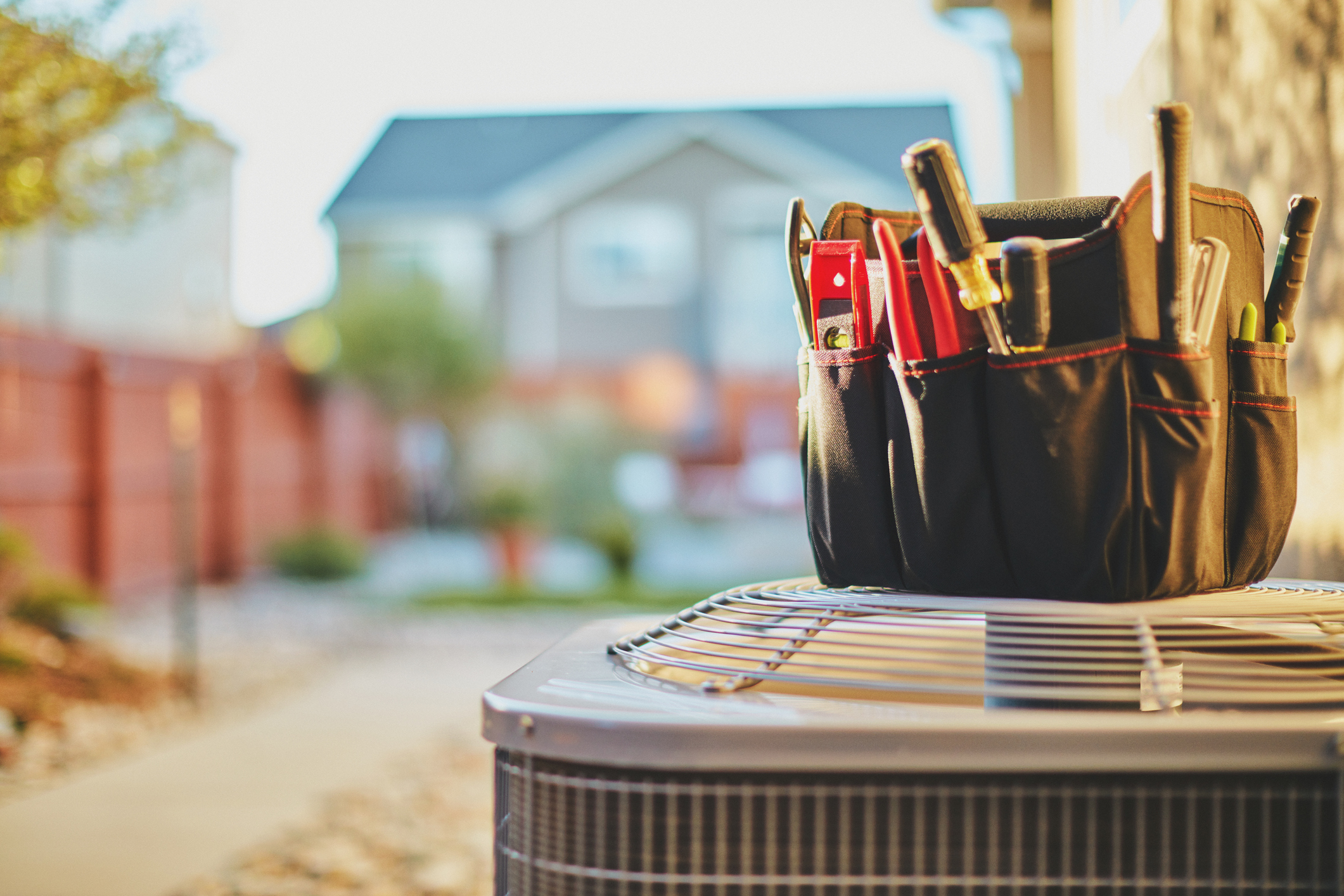
Should You Repair or Replace Your HVAC System?
When an HVAC system develops a problem, replacing the entire system is not automatically necessary. Many heating and cooling problems can be repaired. However, as equipment ages or repairs become more frequent, there may come a point when replacement becomes the more practical option.
The decision should be based on the condition of the equipment, the type of problem, repair history, performance, and your long-term needs rather than one factor alone.
- TL;DR:
- A single repair does not necessarily mean your HVAC system needs to be replaced.
- Age, condition, repair frequency, comfort, and performance should be considered together.
- Professional troubleshooting can help determine whether repair or replacement is the more appropriate next step.
Signs It May Be Time for HVAC Replacement
Deciding whether to repair or replace an HVAC system involves several factors. Considering the equipment’s age, condition, repair history, performance, and long-term needs can help you make a more informed decision.
How Old Is Your HVAC System?
Two systems of similar age can be in very different condition depending on installation, maintenance, usage, environment, and previous repairs. An older system that continues to operate reliably may have different needs than one experiencing repeated failures.
The actual condition of the equipment should therefore be considered along with its age.
What Type of Repair Does the System Need?
A relatively minor repair on otherwise dependable equipment may make continued operation practical. A major repair involving aging equipment with other developing problems may require a broader discussion about whether additional investment makes sense.
Professional troubleshooting is important because the specific cause of the problem needs to be identified before repair and replacement options can be compared.
How Often Has the System Needed Repairs?
If the HVAC system has generally been reliable and develops an isolated problem, repair may be a reasonable choice. If breakdowns are becoming increasingly frequent, continuing to invest in the existing equipment may become less attractive.
Keeping records of service and repairs can make this easier to evaluate over time.
Is the System Still Keeping You Comfortable?
Uneven temperatures, long operating cycles, difficulty maintaining thermostat settings, or declining heating and cooling performance may indicate that the system needs attention.
These problems do not automatically require replacement because airflow, controls, ductwork, or repairable components may be involved. The cause should be determined before making a decision.
How Efficiently Is the Equipment Operating?
However, energy bills are influenced by many factors, including weather, thermostat settings, insulation, occupancy, and utility rates. A higher bill by itself does not prove that an HVAC system needs replacement.
Evaluating equipment performance alongside these other factors provides a more useful picture.
What Are Your Long-Term Plans?
If significant repairs are needed on older equipment, replacing the system may provide an opportunity to select equipment that better fits current heating and cooling needs. If the existing system remains in good condition and the repair is reasonable, replacement may not yet be necessary.
There is no universal point at which every HVAC system should automatically be replaced.
Why Is Professional Evaluation Important?
Repair-versus-replacement decisions should begin with understanding what is actually wrong.
At A&S HVAC, we troubleshoot, repair, maintain, replace, and install heating and cooling equipment, including furnaces, heat pumps, and other HVAC systems. Evaluating the existing equipment allows us to determine the condition of the system and discuss appropriate options based on the actual problem.
The goal should be to make an informed decision that addresses current comfort needs while considering the condition and future of the equipment.
Frequently Asked Questions
Deciding whether to repair or replace an HVAC system depends on more than its age. Below, A&S HVAC answers common questions about system condition, repair needs, and when replacement may be worth considering.
No. Age is an important consideration, but condition, repair history, performance, and the type of problem should also be evaluated before deciding on replacement.
Replacement may be worth considering when equipment is aging, significant repairs are needed, breakdowns are becoming frequent, or the system is no longer reliably meeting heating and cooling needs.
Not necessarily. The cost and nature of the repair should be considered alongside the age, condition, reliability, and expected future needs of the system before making that decision.
