

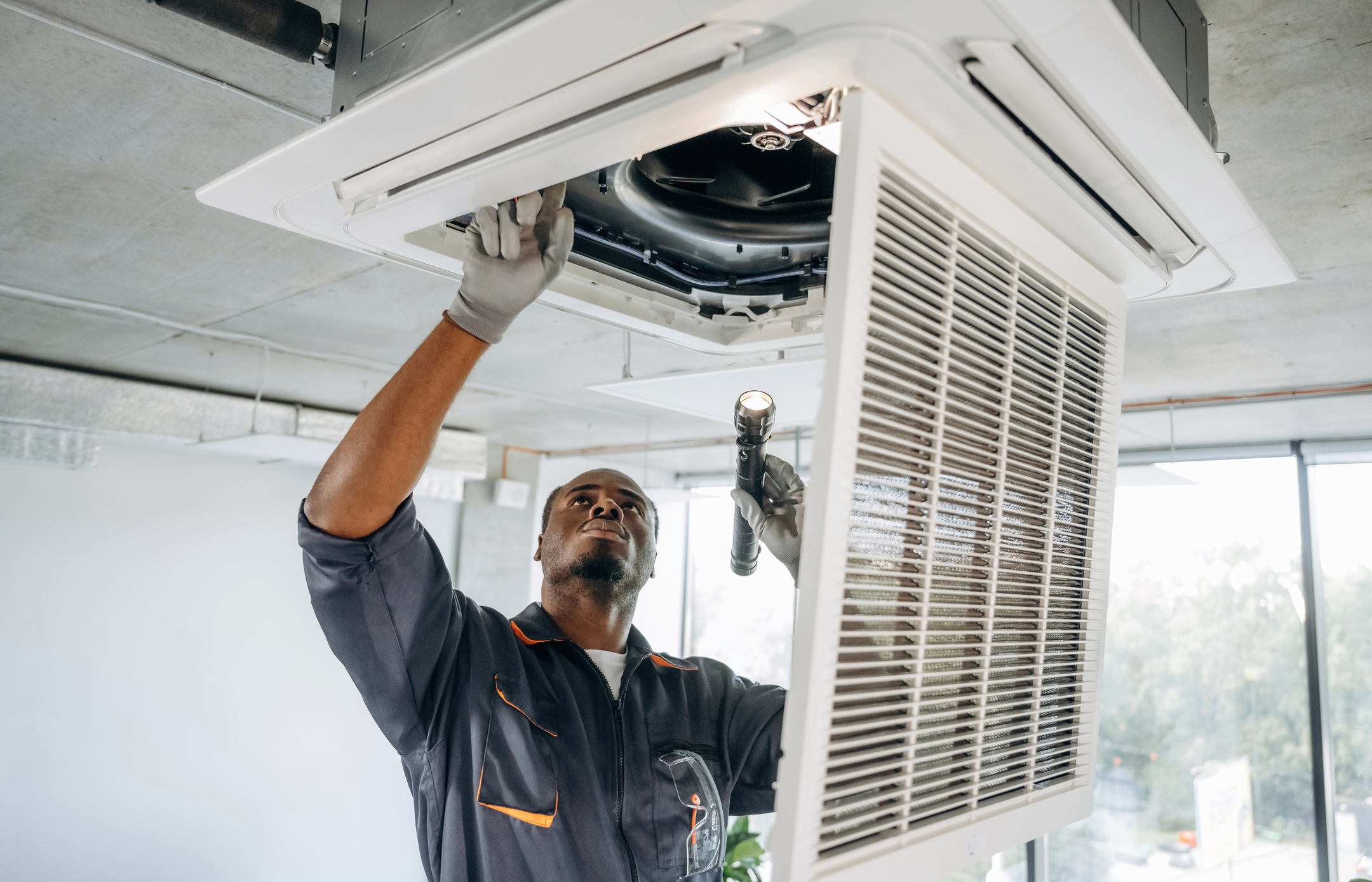
What Are the Most Common HVAC Problems?
Heating and cooling systems work throughout the year to keep indoor spaces comfortable, but like any mechanical system, problems can develop over time. Some HVAC issues are relatively minor, while others can affect comfort, efficiency, or the ability of the system to operate at all.
At A&S HVAC, we install, repair, troubleshoot, and maintain heating and cooling equipment. Understanding some of the most common HVAC problems can help you recognize when something has changed and when it may be time to have the system professionally evaluated.
- TL;DR:
- HVAC problems can involve airflow, temperature control, equipment operation, thermostats, or system performance.
- Unusual noises, odors, temperatures, or operating patterns can indicate that something needs attention.
- Addressing HVAC problems early can help prevent minor issues from developing into more significant repairs.
Signs Your HVAC System Needs Attention
HVAC problems can affect comfort, airflow, and overall system performance. Understanding common warning signs can help you recognize when your heating or cooling system may need professional attention.
Why Is My HVAC System Not Heating or Cooling Properly?
If the system previously maintained the desired temperature without difficulty but can no longer keep up, that change is worth investigating. The cause may be relatively simple, or the system may need professional troubleshooting to identify a mechanical or performance problem.
Why Is There Weak Airflow From the Vents?
Airflow problems can be related to dirty filters, blocked vents, ductwork concerns, blower problems, or other system conditions. If replacing a dirty filter and checking accessible vents does not improve airflow, the system may need further evaluation.
Why Are Some Rooms Hotter or Colder Than Others?
Room location, sunlight, insulation, windows, airflow, ductwork, and HVAC system performance can all contribute to temperature differences. Some variation between rooms can be normal, but significant or newly developing differences may indicate a problem that should be investigated.
What Do Unusual HVAC Noises Mean?
Rattling, banging, grinding, squealing, or other unfamiliar sounds can indicate loose components, moving parts that need attention, airflow problems, or mechanical issues. Turning the system off and having an unusual noise evaluated may help prevent additional damage when a mechanical problem is involved.
When Should You Call an HVAC Professional?
If your heating or cooling system stops working, cannot maintain temperature, develops unusual noises or odors, or begins operating differently than normal, professional troubleshooting can help identify the cause.
At A&S HVAC, we work with heating and cooling systems ranging from minor repairs and maintenance needs to complete equipment replacement. Evaluating the problem first makes it possible to determine what actually needs attention instead of replacing components unnecessarily.
Frequently Asked Questions
Recognizing changes in your HVAC system can help you address problems before they become more extensive. Below, A&S HVAC answers common questions about warning signs, repairs, and what to do when your system is not operating normally.
Changes in temperature, airflow, operating sounds, odors, cycling, or overall comfort can all be early warning signs. Pay particular attention when your system begins behaving differently than it normally does.
No. Some problems can be relatively minor, while others may involve mechanical components or larger system issues. Professional troubleshooting can help determine the actual cause before deciding what repair is necessary.
That depends on the problem. If you notice significant mechanical noises, burning odors, loss of heating or cooling, or another concerning change, shutting the system down and having it evaluated may help prevent additional problems.
