

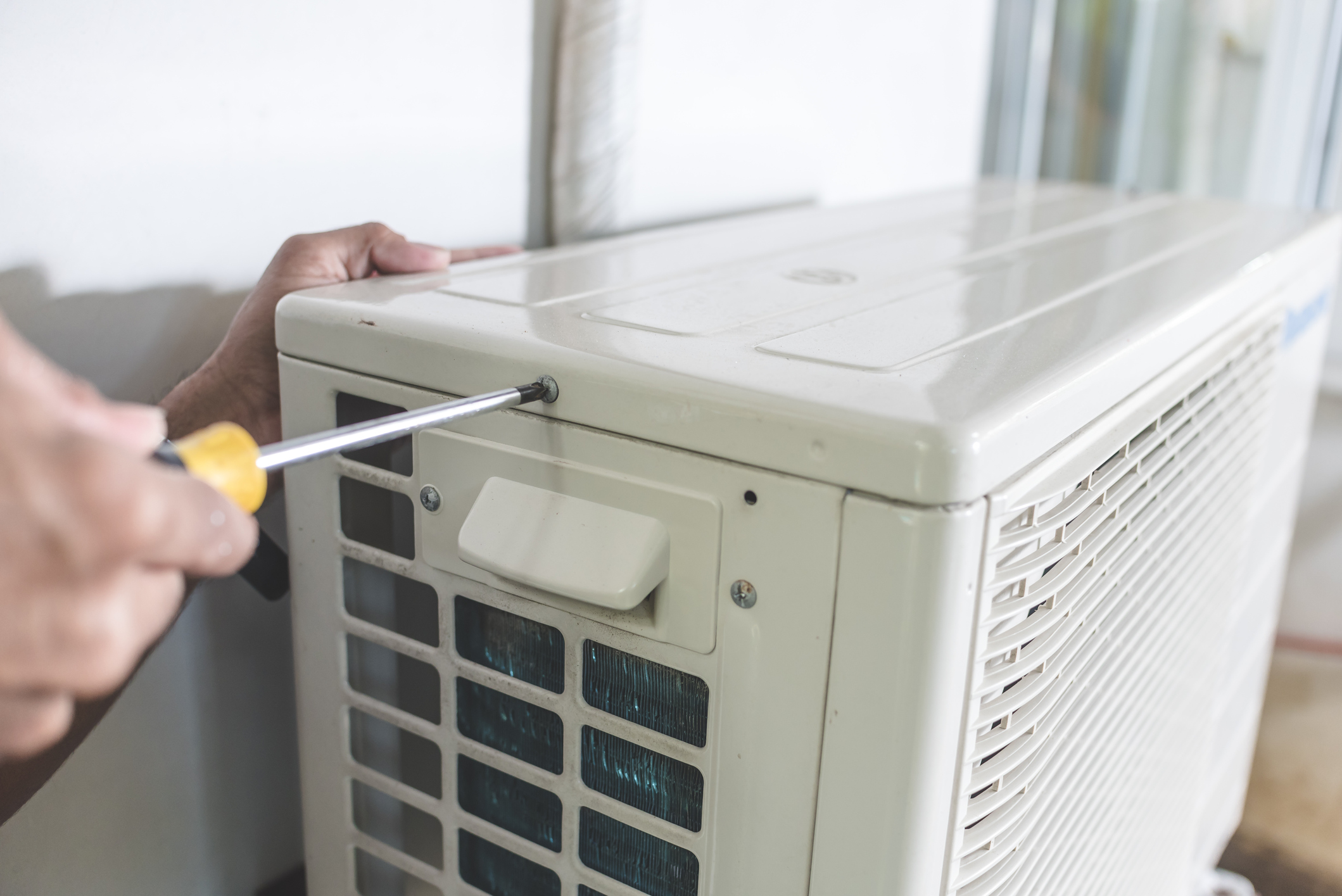
What Are the Most Common HVAC Problems?
HVAC systems do not always stop working without warning. In many cases, changes in comfort, airflow, sounds, odors, or operating patterns appear before a heating or cooling system experiences a more noticeable problem.
Recognizing these changes can help you address HVAC concerns earlier. At A&S HVAC, we troubleshoot, repair, maintain, and install heating and cooling systems, and identifying what has changed is an important first step in determining what the system may need.
- TL;DR:
- Changes in temperature, airflow, noises, odors, and operating cycles can indicate an HVAC problem.
- A system that runs longer or behaves differently than normal should not automatically be ignored.
- Professional troubleshooting can identify the cause before a developing problem becomes more extensive.
Common Signs of an HVAC Problem
Changes in HVAC performance can be early signs that your system needs attention. Recognizing changes in temperature, airflow, sounds, odors, or operation can help you identify potential problems before they become more extensive.
Is a Change in Indoor Temperature a Warning Sign?
If your home or building suddenly takes longer to heat or cool, cannot reach the thermostat setting, or develops noticeably uneven temperatures, something may have changed within the system or building.
The issue could involve airflow, equipment performance, thermostat operation, or another condition. The important factor is whether the system is performing differently than it normally does.
Should You Pay Attention to Weak Airflow?
A dirty filter may sometimes contribute to the problem, but weak airflow can also involve blower components, ductwork, obstructions, or other HVAC issues. If basic checks do not resolve the problem, further troubleshooting may be needed.
Are Unusual Noises Normal?
Banging, rattling, squealing, grinding, or other unusual mechanical sounds can indicate that a component needs attention. A sound that appears suddenly or becomes progressively louder should be evaluated rather than simply accepted as normal equipment noise.
What Do Unusual Odors Mean?
Different odors can have different causes, and not every smell indicates the same problem. Persistent burning, electrical, musty, or otherwise unusual odors should be taken seriously, particularly when they occur while the equipment is operating.
If an odor seems related to overheating or an electrical problem, stop using the equipment and have it professionally evaluated.
Is Frequent Cycling a Problem?
Thermostat issues, airflow restrictions, equipment conditions, and other factors can affect cycling. Frequent starts and stops can also increase wear on certain components.
Why Should You Address Warning Signs Early?
A small change in system performance does not necessarily mean a major repair is needed. However, continuing to operate equipment with an unresolved mechanical or performance problem can potentially allow the issue to become more extensive.
Professional troubleshooting helps determine whether the problem involves maintenance, a repairable component, or a larger system concern.
At A&S HVAC, we work with a variety of heating and cooling equipment, including furnaces, heat pumps, and other HVAC systems. If your system begins behaving differently, identifying the cause can help determine the appropriate next step.
Frequently Asked Questions
Knowing which HVAC warning signs to watch for can help you address potential problems early. Below, A&S HVAC answers common questions about system performance, energy use, and when to schedule professional service.
Loss of heating or cooling, unusual mechanical noises, concerning odors, significantly reduced airflow, and sudden changes in system operation are all worth investigating.
It can be one indicator, particularly if energy use increases without a corresponding change in weather or household habits. However, many factors affect energy consumption, so the HVAC system should be evaluated in context.
No. If you notice a persistent change in performance, comfort, airflow, noise, or operation, having the system evaluated earlier may help identify the problem before a complete breakdown occurs.
